So, in today’s car industry, having a Heavy Duty Wheel Alignment Machine is pretty much a must if you want to keep your vehicles running smoothly and at their best. But here’s the thing—buyers from all over the world are faced with tons of options, and honestly, it can be kinda overwhelming trying to pick the right one. You’ve got big names like Hunter Engineering and John Bean selling solid gear, but not every machine is going to fit what you need exactly.
Getting the right Heavy Duty Wheel Alignment Machine isn’t just about price—it’s about making informed choices. I’d say, look for stuff like precise calibration and something that’s easy to operate. Brands that back up their products with good customer support are definitely a bonus. Still, keep in mind that not all machines can handle the wear and tear of a busy workshop—some might break down sooner than you’d like. So, a quick read of reviews and real user experiences can save you a lot of headaches.
At the end of the day, reliability’s what really matters when picking out equipment. That said, no machine is perfect—some folks have had issues with maintenance down the line. Doing your homework and listening to expert opinions can really help narrow things down. It’s also a balancing act: weighing the cost against quality. Make a smart choice now, and it’ll pay off in better service and happier customers in the long run.
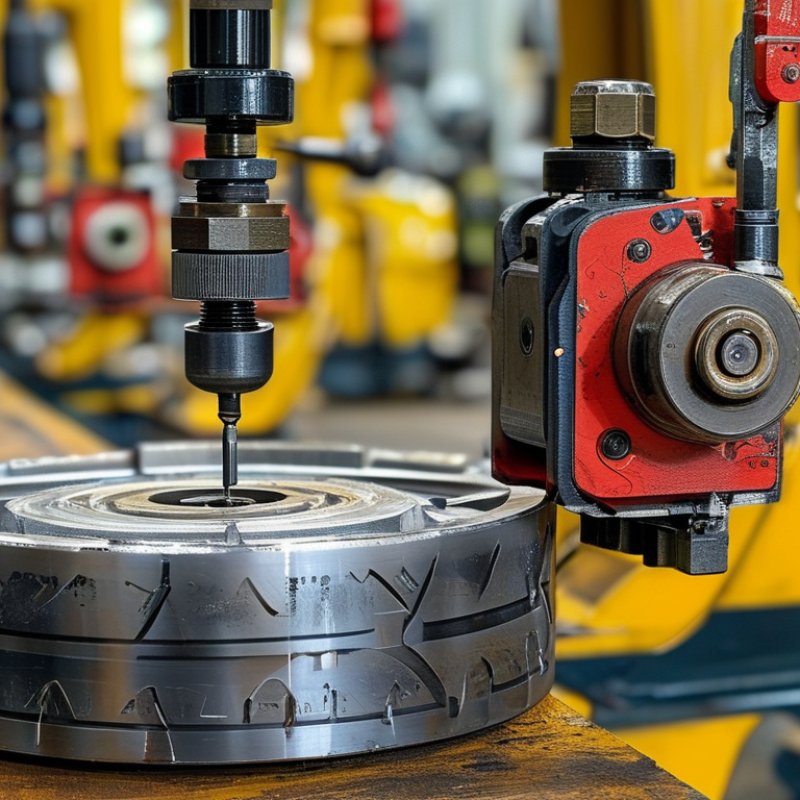
Understanding Heavy Duty Wheel Alignment Machines
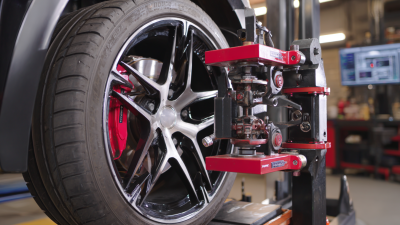
Heavy-duty wheel alignment machines are crucial in ensuring vehicle safety and efficiency. These machines help adjust the angles of wheels, helping to prolong tire life and enhance vehicle performance. Understanding their mechanisms is essential for mechanics. An effective machine provides accurate readings and adjustments, which are vital for maintaining proper vehicle alignment.
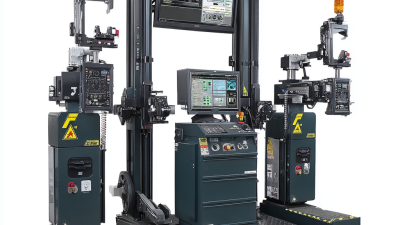
An ideal heavy-duty wheel alignment machine often features digital readouts for ease of use. Many models now integrate advanced technology, offering real-time data and diagnostics. However, not all machines are equally reliable. Some may falter in providing precise alignments, leading to potential issues down the road. Choosing the right machine requires careful consideration of specifications and user reviews.
The OEM Heavy Duty Wheel Alignment Machine stands out for its durability and precision. It is built to handle larger vehicles and demands of frequent use. Investing in a well-reviewed machine can simplify alignment processes and reduce errors. However, buyers should assess their specific needs and budget constraints before making a purchase. This reflection on personal requirements can lead to better choices in the long run.
Key Features to Look for in Wheel Alignment Equipment
When selecting a heavy-duty wheel alignment machine, key features are essential to consider. Precision is critical. High accuracy levels minimize errors in alignment. According to industry reports, alignment machines should ideally maintain a tolerance of ±0.1 degrees. This level of accuracy ensures optimal vehicle handling and tire longevity.
Another vital feature is user-friendly software. Advanced machines integrate easy-to-navigate interfaces. Some models offer real-time data visualization, helping technicians make quick decisions. Reports indicate that user-friendly designs can increase productivity by up to 30%. This efficiency can significantly impact service turnaround times, enhancing overall customer satisfaction.
A robust construction is non-negotiable for heavy-duty machines. Equipment must withstand constant use and heavy loads. Many alignment machines are manufactured with materials that provide durability and flexibility. It's crucial to assess weight capacity specifics to prevent malfunction and ensure safety.
When choosing equipment, consider additional functions. Some machines feature built-in diagnostic tools. These can enhance the quality of service, providing technicians with insights into additional repairs needed.
Before making an investment, it is wise to evaluate the training required for your team. Complex systems may need extensive training time that can affect operational productivity.
Popular Brands of Heavy Duty Wheel Alignment Machines
The landscape of heavy-duty wheel alignment machines is diverse and constantly evolving. As the trucking and automotive industries grow, so does the demand for accurate alignment solutions. Recent reports indicate that the global market for wheel alignment equipment is expected to rise significantly, reaching a value of over $400 million by 2025. This growth underscores the importance of reliability and precision in equipment.
Several popular brands dominate the market. These brands invest heavily in technology to enhance user experience. For example, many machines now offer advanced diagnostics and software integration. This innovation helps technicians ensure optimal wheel alignment. However, not all machines achieve the same level of accuracy. A machine's calibration can vary. Regular checks are crucial to maintain performance.
When choosing a machine, buyers should consider their specific needs. Not all machines are suited for every environment or type of vehicle. Factors such as weight capacity and ease of use play a significant role. Investing in a reliable and robust Wholesale Heavy Duty Wheel Alignment Machine can reduce long-term operational costs. Calibration and maintenance practices also need attention; overlooking these can lead to poor alignment outcomes. Therefore, users must remain vigilant and proactive to ensure their equipment performs consistently.
Heavy Duty Wheel Alignment Machines Performance Analysis
Comparisons of Manual vs. Computerized Wheel Alignment Systems
When comparing manual and computerized wheel alignment systems, it’s crucial to consider accuracy and efficiency. Studies reveal that computerized systems can improve alignment accuracy by up to 50%. This is significant, especially when precision affects tire life and vehicle handling. Manual systems, while still relevant, often depend on the operator's skill level. An experienced technician might achieve decent results, but inconsistencies can arise.
Computerized alignment machines frequently utilize advanced technology. They measure angles electronically, reducing human error. This efficiency saves time, a critical factor in busy service environments. Workshops report a 30% increase in throughput when switching to computerized systems. Nonetheless, the cost of these machines can be a hurdle for some businesses.
While manual systems may be more affordable, they often require more time and labor. A workshop might invest in training for manual alignment processes. This can lead to potential misalignments and rework, ultimately affecting customer satisfaction. The ownership experience of the
ODM Heavy Duty Wheel Alignment Machine shows that even with its initial costs, automated systems can provide long-term savings. Balancing cost and speed remains a challenge for many global buyers.
Cost Considerations for Global Buyers of Alignment Machines
When considering the purchase of a heavy-duty wheel alignment machine, cost is a crucial factor for global buyers. The initial price often reflects the machine's capabilities and durability. However, the ongoing expenses, such as maintenance and calibration, are equally important to consider. A high price tag may promise advanced technology, but it's vital to evaluate the additional costs involved in operating the machine over time.
Buyers should assess their specific needs and usage frequency. Sometimes, a less expensive model may suffice for smaller operations. Investing in a top-tier machine can be beneficial for busy workshops. However, some buyers realize later that they do not utilize all features, leading to wasted resources. Reflecting on needs versus expenditures is essential.
Additionally, warranty and support services vary significantly. Some manufacturers offer extensive support, while others may not. It’s wise to research the reliability of service before making a decision. Global buyers need machines that not only fit their budget but also promise longevity and efficient performance. Each purchase should align with their business goals and service expectations.
Best Heavy Duty Wheel Alignment Machine for Global Buyers?
| Feature | Description | Price Range (USD) | Ideal for |
| Measurement Type | 2D/3D Measurement Systems | $3,000 - $10,000 | Professional workshops, fleet maintenance |
| Data Interface | Bluetooth, USB Connectivity | $4,500 - $12,000 |
Auto Repair shops, tire centers |
| Calibration Speed | Fast Calibration (under 5 mins) | $5,000 - $15,000 | High-volume service centers |
| Screen Type | Touchscreen Display | $3,500 - $9,000 | Small to medium workshops |
| User Experience | User-friendly software | $6,000 - $13,000 | Training facilities, education |
Maintenance and Best Practices for Heavy Duty Alignment Machines
Heavy-duty alignment machines are crucial for maintaining commercial vehicles. Proper maintenance ensures accuracy and longevity. According to industry reports, a well-maintained alignment machine can reduce vehicle wear by up to 30%. Regular checks and calibrations are essential to achieve optimal performance.
To maintain a high-quality heavy-duty wheel alignment machine, follow specific practices. First, keep the machine clean and free of debris. Accumulation can lead to inaccurate readings. Inspect cables and sensors regularly. A simple visual check can prevent costly breakdowns. Moreover, operators should be trained properly. According to a recent study, misalignment due to operator error accounts for 25% of alignment issues.
Professional technicians recommend scheduling regular maintenance intervals. Creating a log for each calibration and repair helps track performance over time. While these practices are effective, some might find that budgeting for machine upkeep is a challenge. Investing in education and resources pays off significantly in the long run. Emphasizing maintenance will ensure that your heavy-duty alignment machine serves you reliably.
Customer Reviews: Insights from Global Users of Alignment Equipment
When exploring the world of heavy-duty wheel alignment machines, global users have a lot to say. Their insights reveal common themes in performance and usability. Many customers appreciate the machine's durability and precision. However, there are also challenges to consider. Users have reported that initial setup can be time-consuming. Paying close attention during installation can make a big difference.
Ease of use remains a priority for many buyers. Users often desire intuitive interfaces and clear instructions. Some machines excel in this aspect, making the process smoother. Others leave room for improvement, leading to frustrating experiences. Feedback highlights the need for better customer support from manufacturers. Quick and reliable assistance is a crucial part of the equation.
Global buyers emphasize the importance of real-world experiences. Many reviews reflect a diverse range of environments and vehicle types. Although some machines perform well for standard vehicles, they falter with larger ones. This inconsistency prompts users to reconsider their choices. By sharing their experiences, customers can guide potential buyers in making informed decisions.
FAQS
: Consider weight capacity and ease of use. Not all machines fit every vehicle type.
Keep it clean and inspect cables regularly. Debris can cause inaccurate readings.
Calibration ensures accuracy. Regular checks prevent performance issues over time.
Schedule regular maintenance intervals. Create a log for repairs and calibrations.
Neglecting maintenance can lead to poor alignment outcomes and costly repairs.
Proper training can reduce errors. Misalignment due to operator mistakes is a significant issue.
Dirt accumulation and outdated calibration can cause inaccurate results. Regular checks help.
Yes, quality machines can reduce long-term costs. Reliable performance pays off over time.
Around 25% of misalignments result from operator mistakes. Training is essential.
Keeping a log of calibrations and repairs helps monitor performance effectively.
Conclusion
This article delves into the essentials of Heavy Duty Wheel Alignment Machines, focusing on their significance in ensuring optimal vehicle performance and safety. We explore key features that buyers should consider, including precision, ease of use, and durability. Additionally, a comparison between manual and computerized systems highlights the advancements in technology that can streamline the alignment process.
Cost considerations are crucial for global buyers, as prices can vary significantly based on capabilities and brand reputation. We also examine maintenance practices that can prolong the lifespan of these machines, alongside insights from customer reviews that offer real-world perspectives on performance and reliability. Whether for commercial automotive shops or industrial applications, understanding the nuances of Heavy Duty Wheel Alignment Machines is vital for making informed purchase decisions.